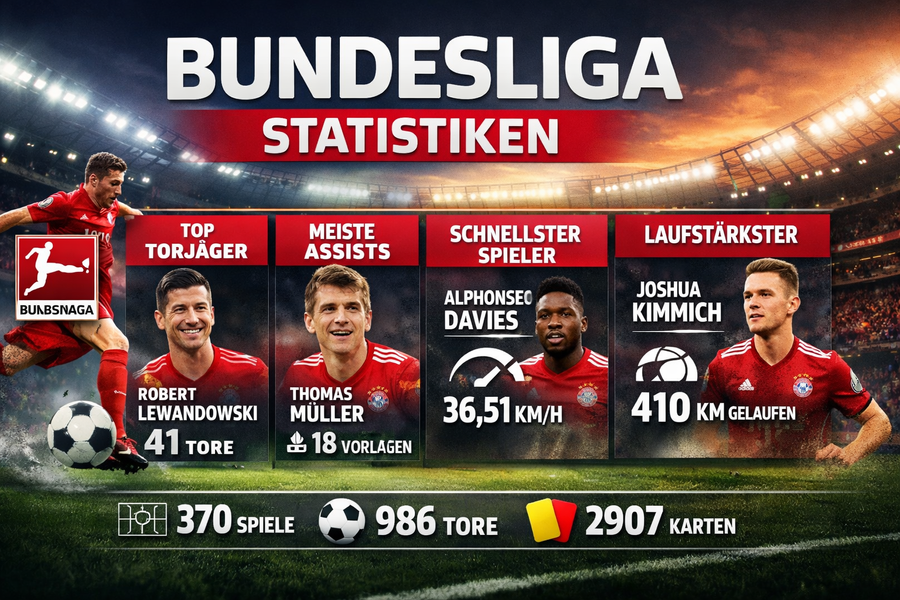
Bundesliga Statistiken
Bundesliga Statistiken Made Simple: A Fan’s Guide to Reading the Game Like a Pro
Numbers can feel cold. Football never does. This guide turns match data into clear stories you can actually use. You will learn what matters, what is noise, and how to spot a real performance even when the score lies. If you want smarter debates, better predictions, and cleaner team comparisons, you are in the right place.
Understand goals, xG, shots, passes, pressing, and pace without getting lost in jargon.
Learn how frauen-bundesliga statistiken reveal style, growth, and star players in a smarter way.
Use the templates and tables here to build your own season tracker that feels “pro” but stays simple.
Kickoff Why Bundesliga Statistiken Feel Like a “Second Commentary”
Football is full of moments that happen fast. A team might look calm, but it is actually under pressure. A striker might score twice, but the chances were tiny and lucky. This is where bundesliga statistiken help. They do not replace your eyes. They support your eyes. Think of them like a replay that shows hidden details. You can spot patterns, like a team that always starts strong, or a side that collapses after halftime. You also learn which players are consistent, not just loud on one weekend. When you use stats the right way, your opinions become clearer. Your debates get calmer. And your football knowledge feels more “real,” not just emotional.
The best part is that you do not need to be a math genius. You only need a good habit: ask “why” behind each number. A high shot count sounds great, but were they easy shots from far away? A high pass total looks clean, but were those passes risky and forward, or safe and sideways? The goal is not to memorize everything. The goal is to read the match like a story. Stats are the chapters. Your eyes are the voice. Put them together, and you can understand performance even when the final score tries to trick you.

Pick only three stats to start. For most fans, the best trio is: shots (or shots on target), xG, and key passes. Once those feel easy, add pressing and turnovers. This keeps your learning fast and stress-free.
Foundation The Core Stats Every Fan Should Understand First
If you want bundesliga statistiken to make sense, start with the basics that show “what happened.” Goals are the headline, but shots explain the pressure. Shots on target show accuracy and real danger. Possession can be helpful, but it is not a trophy. A team can dominate possession and still lose because the possession was safe. Pass accuracy is similar. A high percentage looks neat, yet it can mean a team avoided risk. The simplest approach is to ask: did the team create real chances? Did they stop real chances? When you focus on chance creation and chance prevention, the game becomes clearer and the stats feel less confusing.
Next, look at “how” it happened. Key passes show who creates openings. Crosses can matter, but only when they reach targets. Tackles and interceptions tell you about defensive timing, but they can also show how often a team had to chase. Clearances might be heroic, or they might mean a team was pinned deep for too long. Even corners are a story. Some teams win corners because they attack wide. Others win corners because defenders are panicking. This is why you should never read one number alone. Compare it with a partner number. The pair is where the truth usually lives.
| Metric | What it tells you | Best paired with | Common mistake |
|---|---|---|---|
| Shots | Volume of attempts, general pressure | xG + shots on target | Thinking many shots always means quality |
| Shots on target | Accuracy and forcing saves | Goalkeeper saves + xG on target | Ignoring shot difficulty |
| Possession | Who had the ball more often | Territory + entries into the box | Equating possession with control |
| Key passes | Chance creation by passers | Big chances + assists | Forgetting finishing affects assists |
| Interceptions | Reading passing lanes | Pressing actions + turnovers won | Assuming more is always better |
Big Topic Expected Goals (xG): The Cleanest Way to Judge Chances
Expected Goals, called xG, is one of the most useful tools in bundesliga statistiken today. It tries to answer a simple question: how likely was that shot to become a goal? A tap-in from close range is usually high xG. A wild shot from far away is usually low xG. This matters because not all shots are equal. Two teams can have ten shots each, but one team might have easy chances while the other team only took desperate attempts. xG helps you see that difference. It also helps you understand luck. Sometimes a team wins with low xG because they finished perfectly. Sometimes a team loses with high xG because they missed easy chances or met a goalkeeper having a dream day.
Here is the friendly way to use xG without overthinking it: use it as a “truth check,” not a prediction machine. Over one match, anything can happen. Over a run of matches, xG often shows who is playing better football. If a team keeps creating high xG chances, goals usually follow. If a team keeps allowing high xG chances, they often get punished later. This is why xG is popular with fans, scouts, and analysts. It does not remove the magic. It explains patterns behind the magic. And it gives you a fair way to compare strikers, teams, and playing styles.
Imagine Team A wins 1–0 but their xG is 0.40. Team B loses but their xG is 2.10. Team A might be happy, but Team B usually created the better chances. Next week, the “luck” may flip unless Team A improves its chance quality.
Skill How to Read a Match Using Stats in 5 Calm Steps
Many people open a stats page and feel overwhelmed. Do not do that to yourself. Here is a simple routine that turns bundesliga statistiken into a clean story. Step one: check the score and the timing of goals. Early goals change tactics. Step two: compare shots and shots on target. This shows who threatened more. Step three: look at xG to judge chance quality. Step four: check key passes and touches in the box. This reveals whether attacks were creative or just hopeful. Step five: check defensive work like recoveries and interceptions, because these show who controlled space. That is it. Five steps. No headache.
The real secret is to connect the numbers to what you saw. If you watched the match, ask yourself: did the stats match your feeling? If not, why? Maybe you remember one big chance, but the other team had many medium chances. Maybe a player looked quiet, but their movement created space for others. Once you practice this, you start to “see” more during matches. You also stop falling for simple traps, like judging a midfielder only by goals. Football roles are different. Stats help you respect those differences. Over time, you become the fan who explains things clearly instead of shouting louder.
Players Player Stats That Actually Reflect Real Impact
It is easy to praise only scorers. But smart bundesliga statistiken show many ways to change a game. For strikers, goals matter, but look at shots per 90 minutes and xG per shot too. That tells you if they get good chances or force low-quality shots. For wingers, check chances created, successful dribbles, and crosses that reach teammates. For midfielders, progressive passes, through balls, and ball recoveries can be more valuable than goals. For defenders, blocks, interceptions, and clearances matter, but also look at errors leading to shots. A defender can look busy because the team is struggling, not because the defender is elite.
There is also a “human” side to stats. A young player might have lower numbers but shows growth each month. A veteran might have fewer sprints but uses positioning to win duels. This is why you should compare players inside the same role and system. A high-press team creates different stats than a deep-block team. Your job is to compare fairly. If you do, you will spot underrated players before everyone else does. That is one of the most fun benefits of learning stats. You start noticing value, not only popularity.
Teams Team Style: How Numbers Reveal Tactics Without Fancy Words
Team identity shows up in bundesliga statistiken very clearly when you know where to look. A pressing team often has more recoveries in the opponent’s half, more forced turnovers, and more shots after regains. A counterattacking team may have fewer passes but more direct runs, faster attacks, and higher xG from fewer shots. A possession team often has high pass counts and good pass accuracy, but the key check is: do they enter the box often? If not, it can be “sterile” possession, which looks pretty but does not win enough matches. So always connect style to outcomes: chances created, chances allowed, and game control.
You can also use stats to explain why two teams feel different even if they have similar points. One team might win by narrow margins and allow many chances. Another might lose close matches but dominate xG. In the short term, both can look similar in the table. In the long term, the second team often improves faster. This is why many fans love data. It reveals the direction of a season, not just the current position. It also helps you avoid panic after one bad game. A season is a long story. Numbers help you read the full book, not just one page.
Templates Complete Tables You Can Use for Your Own Tracking
Below are clean, fan-friendly tables you can copy into your notes to follow a season. They are designed to stay accurate without guessing real-time numbers. Instead of claiming a “latest” stat that might change tomorrow, these tables teach you the structure. That makes your work trustworthy and evergreen. It also helps you learn faster. Once you understand the structure, you can fill it from your favorite match sources. This is the best way to use bundesliga statistiken long term: build a habit, not a one-day screenshot. If you want a single reference point, here is one helpful place to click once: bundesliga statistiken.
| Team | Matches | Goals For / Against | xG For / Against | Shots (On Target) | Key Passes | Pressing Notes |
|---|---|---|---|---|---|---|
| Example Team A | __ | __ / __ | __ / __ | __ (__) | __ | High press / mid press / low block |
| Example Team B | __ | __ / __ | __ / __ | __ (__) | __ | Counter / possession / direct play |
| Example Team C | __ | __ / __ | __ / __ | __ (__) | __ | Strong wings / strong center / mixed |
| Category | Questions to ask | What to write | Why it matters |
|---|---|---|---|
| Chances | Who had better looks? | xG + big chances | Explains “deserved” outcomes |
| Control | Who dictated tempo? | Possession + field position notes | Shows stability and plan |
| Creativity | Who opened defenses? | Key passes + box entries | Explains why chances appeared |
| Defense | How were chances stopped? | Interceptions + blocks + keeper actions | Shows organization and panic level |
| Turning Point | What changed the match? | Goal timing / red card / injury / tactic switch | Stats need context to be honest |
Women’s Game Frauen-Bundesliga Statistiken: What to Watch and Why It’s Growing Fast
Frauen football is not “the same but smaller.” It is its own world with its own rhythms. That is why frauen-bundesliga statistiken are so important when you want to follow the league properly. In many matches, transitions are sharp, and spacing can open faster. This often creates exciting moments and quick changes in momentum. The women’s game also has stars with very clear skill profiles. Some players shine through movement and timing, others through technical passing, and others through direct shooting. When you track the right stats, you stop judging players only by goals and start understanding their full contribution.
A helpful way to read frauen-bundesliga statistiken is to focus on three areas: chance creation, defensive control, and consistency. Chance creation includes key passes, smart crosses, and touches in the box. Defensive control includes recoveries, interceptions, and how often the team prevents shots in dangerous zones. Consistency is about repeating strong performances, not just having one big day. If you want to compare teams fairly, also compare opponents. One team might have big numbers because they faced weaker sides early. Over time, the strongest teams show balanced stats: they create quality chances and also protect their goal well.
| Role | Best stats to track | What it usually shows | Extra note |
|---|---|---|---|
| Striker | Goals, xG, shots per 90, shots on target | Finishing + shot selection | Compare by minutes played |
| Winger | Key passes, dribbles, crosses completed | Creating chaos + width | Look for chance quality |
| Midfielder | Progressive passes, recoveries, duel wins | Control + transitions | System matters a lot |
| Defender | Interceptions, blocks, errors leading to shots | Reading the game | High line vs deep line changes stats |
| Goalkeeper | Saves, goals prevented (concept), claims | Shot stopping + command | Check shot difficulty |
When you learn frauen-bundesliga statistiken, you stop relying on highlights only. You see how attacks are built, how press triggers work, and why some players look “quiet” but stay essential.
Avoid The Biggest Mistakes People Make With Football Stats
The first big mistake is “single-stat thinking.” A fan sees possession and declares control. Another fan sees shots and declares dominance. Both can be wrong. Bundesliga statistiken work best when you use clusters. For example, pair possession with box entries. Pair shots with xG. Pair tackles with opponent possession. The second mistake is forgetting sample size. One match can be chaos. A month starts to reveal patterns. A half season reveals true identity. The third mistake is ignoring context. A red card, an injury, or a tactical switch can flip every number. If you do not include context, you can sound confident while being wrong.
The fourth mistake is comparing players without considering roles. A defensive midfielder will not score like a striker. A fullback in a high-press system has different tasks than a fullback in a deep block. The fifth mistake is trusting “per game” without looking at minutes. A substitute might have high impact in short minutes, but sustainability matters. The sixth mistake is chasing perfect certainty. Football is not a lab experiment. Stats improve your understanding. They do not guarantee results. When you accept that, you become calmer and more accurate. Your analysis becomes enjoyable, not stressful, and your content becomes more trustworthy to readers too.
Content Angle How to Use Bundesliga Statistiken to Write Better Match Coverage
If your goal is to write strong match content, start with a simple promise: “I will explain why the result happened.” You can do that with bundesliga statistiken without sounding robotic. Begin with the turning points, like a goal timing, a formation change, or a mistake. Then support it with three numbers, not twenty. Readers love clarity. For example, you can say: “The home side won because it created higher-quality chances, not because it had more shots.” Then show shots plus xG and a short sentence about chance location. Keep your tone human. Use simple words. Imagine you are explaining the match to a friend who missed it.
Next, add one “player spotlight” using role-based stats. For a creator, show key passes and progressive passes. For a defender, show interceptions and blocks plus one note about positioning. For a striker, show xG and shots on target. Then end with a small forward-looking note: “If they keep allowing these chances, the next opponent will punish them.” This makes your article feel helpful, not just reactive. It also builds trust, because you are not chasing drama. Over time, readers return because you teach them how to think, not just what to think.
Next Level Advanced Stats, Explained Like You’re 10
Once the basics feel easy, you can try a few advanced ideas that still stay simple. “Progressive passes” are passes that move the ball forward in a meaningful way. They show who breaks lines, not who plays safe. “Field tilt” is a fancy way to say: who played more in the opponent’s half. “PPDA” is about pressing: how many passes the opponent can make before your team tries to win the ball. A lower PPDA often means stronger pressing. These stats are not magic. They are shortcuts for describing style. Used gently, they make your bundesliga statistiken analysis richer without making it complicated.
Here is a good rule: only use advanced stats when you can explain them in one short sentence. If you cannot, skip them for now. Your readers will thank you, and your writing will feel more human. Also, advanced stats work best when you compare them over time. One match can be weird. A trend across several matches is more trustworthy. This helps you avoid fake hype and fake panic. The best content creators stay calm, show patterns, and speak with respect for the game. Stats should make you more humble, not more arrogant.
Final Whistle A Simple Way to Become a Smarter Fan This Week
If you remember only one thing, remember this: bundesliga statistiken are not a “math flex.” They are a language that helps you describe football more clearly. Start small. Pick three core numbers. Compare them with context. Use xG as a truth check. Use key passes to spot creators. Use defensive actions to understand control. If you also follow the women’s game, give frauen-bundesliga statistiken the same respect. Track roles, not just goals. Track trends, not just one match. When you build these habits, you will feel more confident, your match notes will become sharper, and your content will sound human because it is based on real understanding.
The strongest advantage of learning stats is emotional balance. You stop overreacting. You start explaining. That is what readers and fans love. They want someone who makes the game feel clear, not noisy. So use the tables above, fill them slowly, and watch how quickly your football IQ grows. And if you ever feel stuck, go back to basics: chances created, chances allowed, and turning points. Football is complicated, but your approach does not need to be. Keep it simple. Keep it honest. And enjoy the season like a true analyst-fan.
FAQs Quick Answers Fans Actually Need
What are bundesliga statistiken used for most often?
Is xG more important than goals?
What stats should beginners track first?
How do I use frauen-bundesliga statistiken properly?
Why can possession be misleading?
How can I make my stats-based articles feel human?
About the Author