
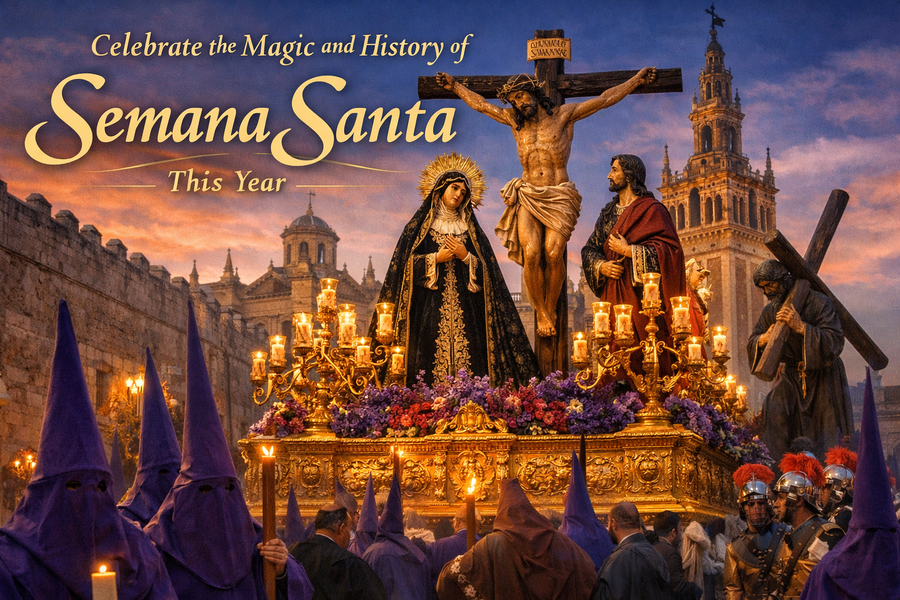
Celebrate the Magic and History of Semana Santa This Year
Have you ever wondered why some cities turn into giant outdoor theaters for a whole week? This happens during Semana Santa, which is also known as Holy Week. It is one of the most beautiful and colorful celebrations in the entire world. People everywhere get together to remember important stories and share special traditions with their families. In this guide, we will explore what makes this week so special. You will learn about the giant parades, the tasty food, and why it matters to so many people. Whether you are planning a trip or just curious, get ready to dive into a world of history and heart.
What Exactly is Semana Santa?
Semana Santa is a very special time that happens every spring. The name actually means “Holy Week” in Spanish. It is the week that leads up to Easter Sunday. During these seven days, people commemorate the last week of Jesus’s life. It is not just a religious holiday for many; it is a time for culture and community. You will see people of all ages coming together in the streets. Some people go to church to pray, while others go to watch the incredible parades. It is a time when history feels like it is coming alive right in front of your eyes.
The Beautiful Meaning of Palm Sunday
The excitement of Semana Santa starts on a day called Palm Sunday. This day remembers when Jesus arrived in the city of Jerusalem. According to the stories, people were so happy to see him that they waved palm branches in the air. Today, you will see children carrying long, braided palm leaves that look like golden wands. Some of these palms are decorated with ribbons and sweets. It is a very happy day that sets the mood for the rest of the week. Seeing the bright green and yellow palms under the sun is a memory you will never forget.
Giant Floats and Amazing Parades
One of the coolest parts of Semana Santa is seeing the “pasos.” These are massive wooden floats that carry beautiful statues. These statues tell different parts of a story. In many cities, these floats are so heavy that it takes dozens of strong people to carry them on their shoulders. These people are often called “costaleros.” They practice for many months to make sure they can walk in perfect rhythm. Watching a giant float turn a tight corner in a narrow street is like watching a magic trick. It shows how much teamwork and love the local people have for their traditions.
The Sounds of the Streets
If you close your eyes during Semana Santa, you will hear a very specific sound. There are drums that beat slowly like a heartbeat. There are also trumpets that play sad but beautiful music. This music helps everyone feel the emotion of the week. Sometimes, someone will stand on a balcony and sing a “saeta.” This is a powerful, solo song that stops the whole crowd in their tracks. Even if you do not understand the words, you can feel the passion in the singer’s voice. These sounds turn the city into a giant, moving concert that lasts all night long.
Special Outfits and Hidden Faces
During the parades, you will notice people wearing long robes and tall, pointy hats. These people are called “nazarenos.” While the hats might look a bit strange at first, they have a very old history. They wear these outfits to show that they are humble and want to focus on their faith. The colors of the robes often change depending on which group they belong to. You might see purple, red, white, or black robes. It is a very serious and respectful tradition. Seeing hundreds of these figures walking silently through the dark streets is a sight that feels very powerful.
The Quiet Mourning of Good Friday
Good Friday is the most serious day of Semana Santa. This is the day when the stories focus on the most difficult parts of the week. In many towns, the lights in the streets are turned off. The music becomes very quiet or stops completely. You might see people walking in the parade barefoot to show they are sorry for their mistakes. It is a time for thinking and being quiet with your family. Even though it is a sad day, it is also very beautiful because it shows how much people care about their history and their beliefs.
Delicious Foods You Must Try
You cannot talk about Semana Santa without talking about the food! Since many people do not eat meat during this week, they make amazing treats instead. My favorite is called “Torrijas.” They are like a much better version of French toast. They are soaked in milk or wine, fried, and covered in honey or sugar. They are soft, sweet, and smell like cinnamon. You might also find “pestiños,” which are crunchy honey fritters. Eating these treats with your family is a big part of the holiday fun. It makes the week taste just as good as it looks.
How Different Countries Celebrate
Even though Semana Santa is very famous in Spain, many other countries celebrate it too! In Guatemala, people make “alfombras,” which are giant carpets made of colorful sawdust and flowers on the streets. They look like real paintings, but the parades walk right over them! In Mexico, some towns act out the stories with real actors. Every place adds its own local flavor to the holiday. This shows that while the main story is the same, every culture has its own unique way of showing love and respect. It is like a global birthday party for history.
Why This Tradition Stays Strong
You might wonder why people still do this after hundreds of years. The reason is that Semana Santa connects the past with the present. It is a way for grandparents to teach their grandkids about their family’s roots. It brings neighbors together to work on a common goal. When you see a young child dressed in a tiny robe holding their father’s hand, you realize the tradition is safe. It is not just about the past; it is about keeping a community strong and full of hope for the future.
The Joy of Easter Sunday
The very last day of Semana Santa is Easter Sunday, and the mood changes completely! Everything becomes bright and happy again. The sad music stops, and bells start ringing everywhere. This day celebrates the “Resurrection,” which means coming back to life. People wear their best clothes and go out to eat big lunches with their friends. There are flowers everywhere, and everyone smiles and says “Happy Easter!” It is a giant celebration of life and new beginnings. It is the perfect way to end a long and emotional week.
Tips for Visiting During Holy Week
If you want to see Semana Santa in person, you should plan ahead! The streets get very crowded, so it is good to arrive early to find a spot to stand. Wear very comfortable shoes because you will be walking and standing for a long time. It is also important to be respectful and quiet when the parades go by. Don’t forget to try the local sweets from a bakery! Being part of the crowd is an amazing experience. You will feel the energy of thousands of people sharing the same moment, which is something truly special.
Frequently Asked Questions
1. Is Semana Santa the same date every year? No, the dates change every year! It depends on the moon. It usually happens between late March and mid-April. You should always check a calendar before you plan your trip.
2. Can children participate in the parades? Yes! Many children take part in Semana Santa. They often wear smaller versions of the robes or carry small bells and candles. It is a very family-friendly event.
3. Do I have to be religious to enjoy it? Not at all. While it is a religious holiday, many people go just to see the art, the music, and the amazing culture. It is a beautiful show for everyone to enjoy.
4. What is the best city to see the parades? Seville in Spain is very famous for its huge celebrations. However, cities like Malaga, Valladolid, and even Antigua in Guatemala have incredible traditions too!
5. Why are the hats so pointy? The tall hats, called “capirotes,” were designed long ago so that the people wearing them would be closer to the heavens. It was also a way to keep their identity a secret while they prayed.
6. Is all the food sweet during this week? Most of the famous snacks are sweet, but there are salty foods too! Many people eat chickpea stew with spinach and cod fish since they don’t eat meat.
Conclusion: A Week You Will Always Remember
In conclusion, Semana Santa is much more than just a holiday. It is a week filled with art, music, delicious food, and deep feelings. It teaches us about history and brings people together in a way that few other things can. Whether you are watching a giant float in Spain or looking at flower carpets in Guatemala, you are seeing the heart of a culture. I hope this guide helped you understand why so many people love this time of year.
You may also like to read: The Life and Legacy of Pietra Dawn Cherniak: A Story Beyond the Headlines
 Blog
Blog
leahhannahbentley: A Clear, People-First Guide to the Name, the Handle, and the Online Buzz
People-First Guide • Trust Signals • Clean Research leahhannahbentley: A Simple, Trustworthy Guide to the...
 Blog
Blog
The Ultimate Oil Palm Self-Cleaning Street Light Project: A Sustainable Future for Solar Energy
Illuminating Tomorrow: The Incredible Oil Palm Self-Cleaning Street Light Project Welcome to the future of...
 Blog
Blog
Latest Articles TravellingApples: Fresh Travel Ideas & Easy Guides
Premium Guide Latest Articles TravellingApples — Fresh Travel Ideas, Simple Plans, Real Results When people...