
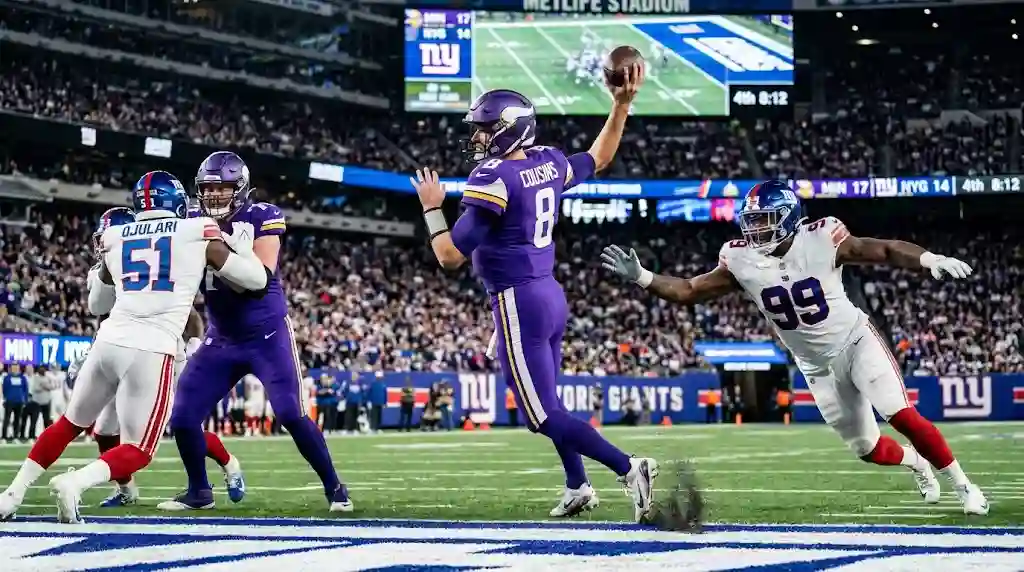
Minnesota Vikings vs New York Giants Match Player Stats: The Complete Breakdown
Nobody saw this complete blowout coming. When the opening whistle blew, fans expected a gritty, defensive slugfest between two NFC squads fighting for respect.
Instead, the game turned into a one-sided tactical showcase. One quarterback revived his career trajectory, while the opposing offense collapsed under relentless pressure.
If you want the real story behind the scoreboard, the box score numbers tell the entire tale. Let us break down the standout performers, game-changing plays, and key statistical takeaways from this matchup.
The Quarterback Duel: Efficiency Meets Disaster
Quarterback play dictated the entire tempo of this contest from the opening drive.
Sam Darnold stepped onto the field with absolute composure in Kevin O’Connell’s offensive scheme. He distributed the football with rhythm, finding soft spots against the Giants’ secondary.
Darnold started the game completing his first twelve consecutive passes. He navigated the pocket cleanly, avoided unnecessary hits, and delivered accurate throws on third-down situations.
On the other sideline, Daniel Jones faced continuous pressure that ruined his timing. The New York passer rarely had clean passing windows and struggled to process coverages quickly.
Jones finished with a dismal 4.4 yards per attempt and threw two costly interceptions. One of those turnovers turned directly into a pick-six, completely draining the life out of the home crowd.
Complete Minnesota Vikings vs New York Giants Match Player Stats
Numbers provide clarity that emotion often hides. Here is the verified statistical overview of the key offensive and defensive leaders from the game.
Game Box Score & Individual Leaders
| Player | Team | Category | Stat Line | Impact Grade |
| Sam Darnold | Vikings | Passing | 19/24, 208 YDS, 2 TD, 1 INT | A |
| Daniel Jones | Giants | Passing | 22/42, 186 YDS, 0 TD, 2 INT | F |
| Aaron Jones | Vikings | Rushing | 14 CAR, 94 YDS, 1 TD (6.7 AVG) | A+ |
| Devin Singletary | Giants | Rushing | 10 CAR, 37 YDS, 0 TD (3.7 AVG) | C- |
| Justin Jefferson | Vikings | Receiving | 4 REC, 59 YDS, 1 TD | A |
| Malik Nabers | Giants | Receiving | 5 REC, 66 YDS, 0 TD | B+ |
| Andrew Van Ginkel | Vikings | Defense | 4 Tackles, 1 Sack, 1 INT (TD) | A+ |
| Dexter Lawrence | Giants | Defense | 3 Tackles, 1 Sack, 2 QB Hits | B |
Statistical Breakdown and Analysis
The stark contrast in efficiency jumps off the page immediately.
Minnesota generated explosive plays while staying on schedule on early downs. Aaron Jones provided instant balance, picking up chunk yardage and keeping the Giants’ defensive line honest.
New York could not sustain drives due to third-down failures and negative plays. Their running backs could not find cutback lanes, which forced long passing downs against a blitz-heavy scheme.
Ground Game Dominance: Aaron Jones Changes the Dynamic
Establishing the run was the clear objective for Minnesota from the opening quarter.
Aaron Jones proved why he remains one of the premier dual-threat backs in the league. He hit open running lanes with explosive burst and consistently gained yards after contact.
- Explosive Yardage: Jones averaged 6.7 yards per carry on 14 attempts.
- Red Zone Finishing: Scored an early rushing touchdown that set the tone.
- Chain Mover: Produced five first downs on the ground alone.
New York’s run game never found traction. Devin Singletary ran hard between the tackles, but defensive penetration closed rushing lanes before plays could develop.
The Giants managed just under 75 total rushing yards as a team. Abandoning the run early made their offensive attack predictable and easy to defend.
Wide Receiver Matchup: Jefferson’s Precision vs. Nabers’ Flash
The perimeter battle showcased two elite talents at very different stages of their careers.
Justin Jefferson showed why he commands double coverage on every single snap. He ran crisp routes, created separation instantly, and hauled in a contested touchdown strike in traffic.
Rookie wide receiver Malik Nabers served as the lone bright spot for the Giants’ aerial attack. He proved he could separate against NFL cornerbacks and fight for extra yards after the catch.
Unfortunately for New York, off-target throws and rapid pocket collapses limited Nabers from turning deep targets into game-changing scores.
Defensive Masterclass: Brian Flores Unlocks Chaos
Defense wins games, but dominant defensive gameplans completely break opposing offenses.
Brian Flores brought disguised blitz looks that confused the Giants’ offensive line all afternoon. Minnesota mixed coverages, delayed blitzes, and brought pressure from every angle on the field.
- Five Total Sacks: Constant pressure forced quick, erratic throws from the pocket.
- Turnover Creation: Andrew Van Ginkel sniffed out a screen pass for an iconic pick-six.
- Red Zone Shutdown: Held New York out of the end zone for all four quarters.
Harrison Smith played centerfield brilliantly, wiping out intermediate passing lanes. The Vikings front seven controlled the line of scrimmage, leaving New York with no counter moves.
Frequently Asked Questions
What were the final player stats for Sam Darnold in this game?
Sam Darnold completed 19 of his 24 pass attempts for 208 yards, two touchdowns, and one interception. He finished the game with an impressive 113.2 passer rating.
How did Daniel Jones perform against the Vikings defense?
Daniel Jones struggled significantly, finishing 22 of 42 for 186 yards, zero touchdowns, and two interceptions. He took five sacks and posted a 44.3 passer rating.
Who was the leading rusher in the Vikings vs Giants matchup?
Aaron Jones led all rushers with 94 yards and one touchdown on 14 carries, averaging an explosive 6.7 yards per attempt for Minnesota.
Did Justin Jefferson score a touchdown in this game?
Yes, Justin Jefferson caught four passes for 59 receiving yards and hauled in a touchdown grab against New York’s secondary.
How did rookie Malik Nabers perform in his debut?
Malik Nabers caught five passes for 66 yards on seven targets. He led the New York Giants in total receiving yards and targets.
How many sacks did the Minnesota Vikings defense record?
The Vikings defense recorded five total sacks, multiple quarterback hits, and scored a defensive touchdown via an interception return.
Final Verdict
This game served as a clear reality check for both franchises.
Minnesota found a dependable offensive identity with balanced playcalling, sharp quarterback execution, and suffocating defensive pressure. Their gameplan worked on every level.
For New York, the film shows urgent repairs are needed on the offensive line and in pass protection. Without cleaner execution under center, moving the ball against elite defenses will remain an uphill climb.
 Sports
Notre Dame Football Schedule 2025: Full Season Games, Key Matchups & Fan Guide
Notre Dame Football Schedule Introduction: Why the Notre Dame Football Schedule Matters So Much The...
 Sports
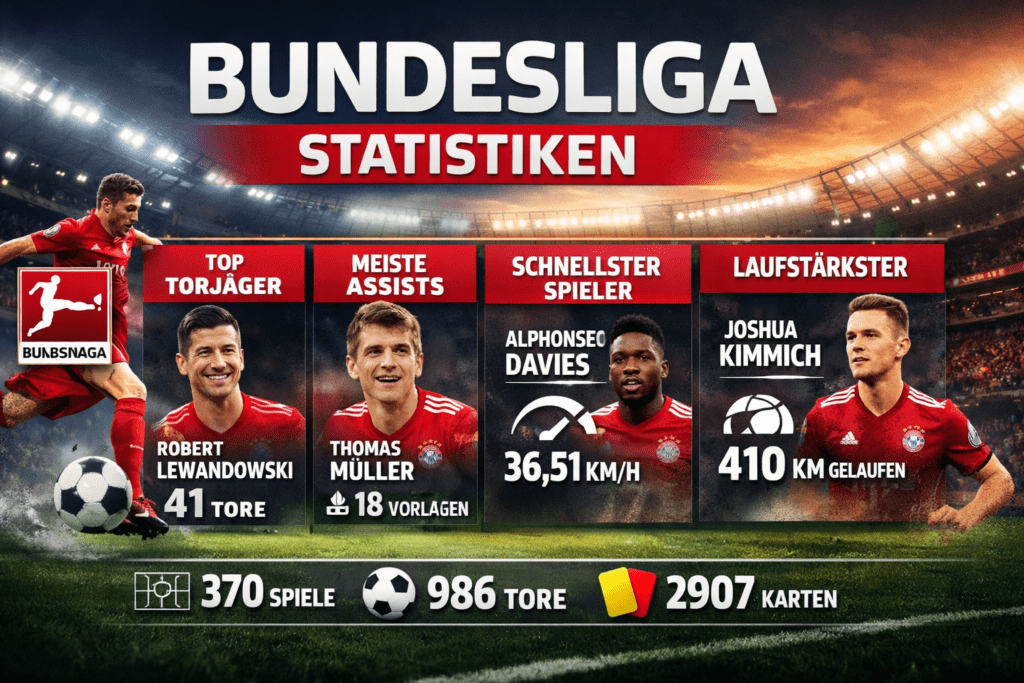
Bundesliga Statistiken (2025/26 Guide): The Simple, Complete Breakdown for Fans
Sporty • Luxury • Data-Driven Beginner-friendly (5th-grade readable) Bundesliga + Women’s League Focus Bundesliga Statistiken...
 Sports
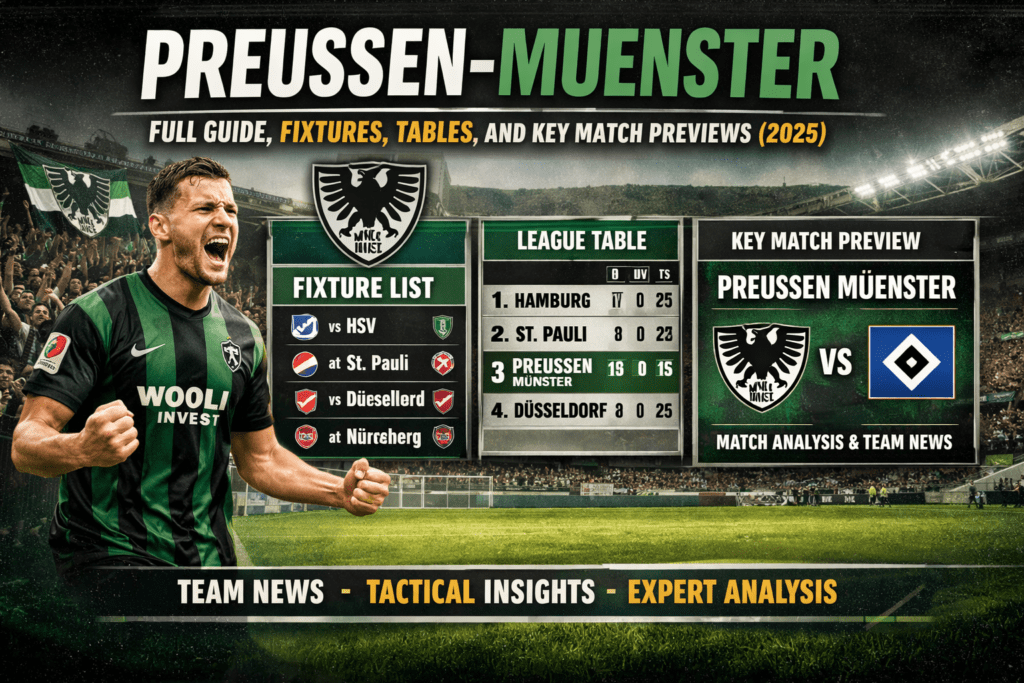
Preussen-Muenster: Full Guide, Fixtures, Tables, and Key Match Previews (2025)
1) What This Guide Covers (And Why It’s Different) This guide is written for real...